From Early Cabinetmakers to Danish Modernism: A Quiet Revolution in Craft
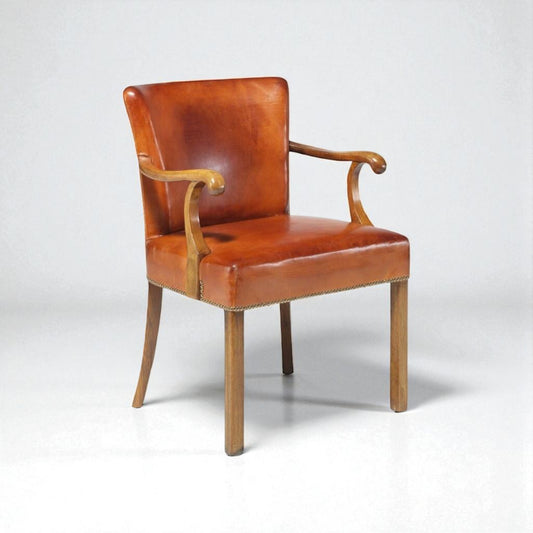
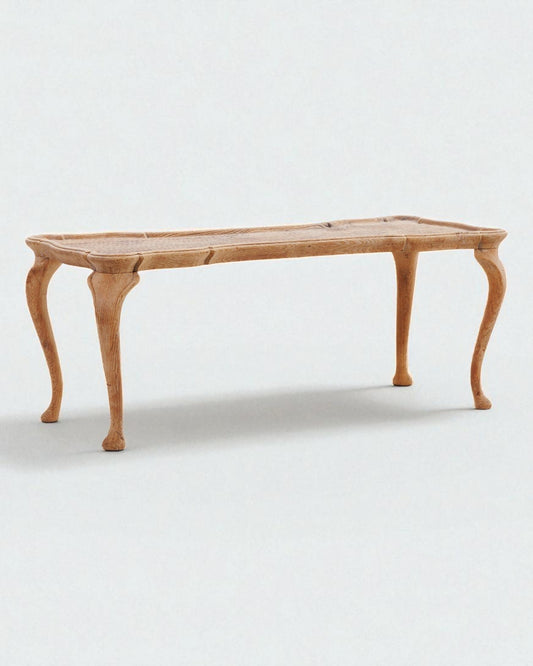
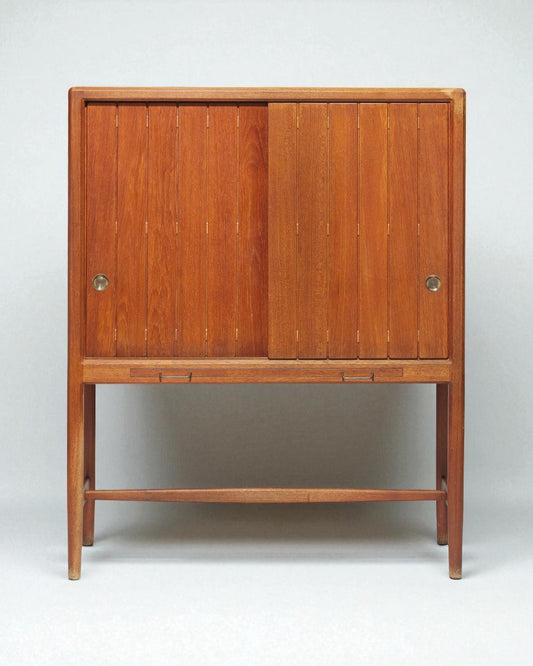
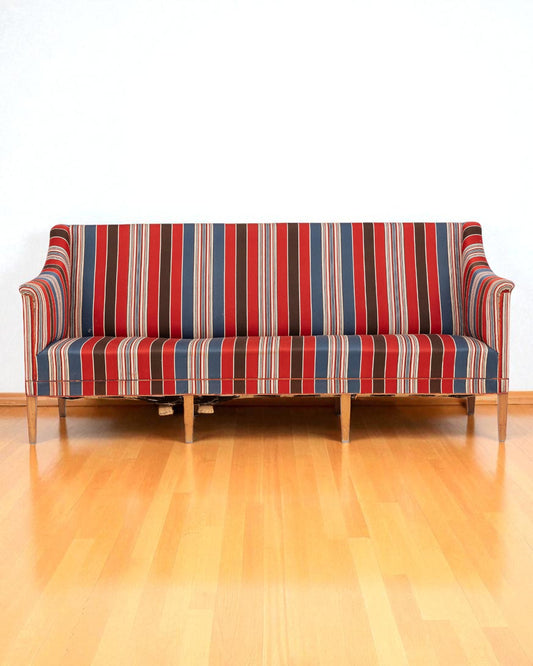
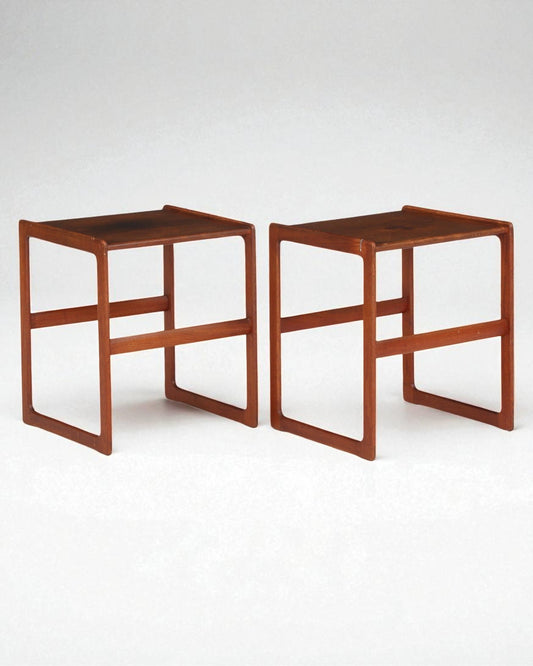
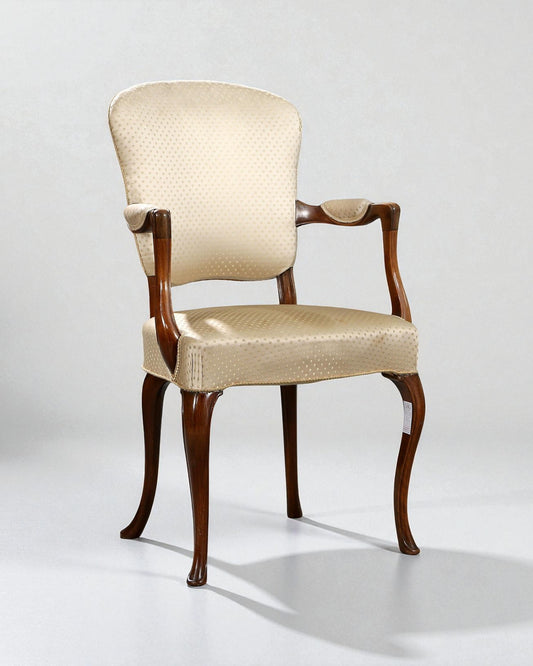
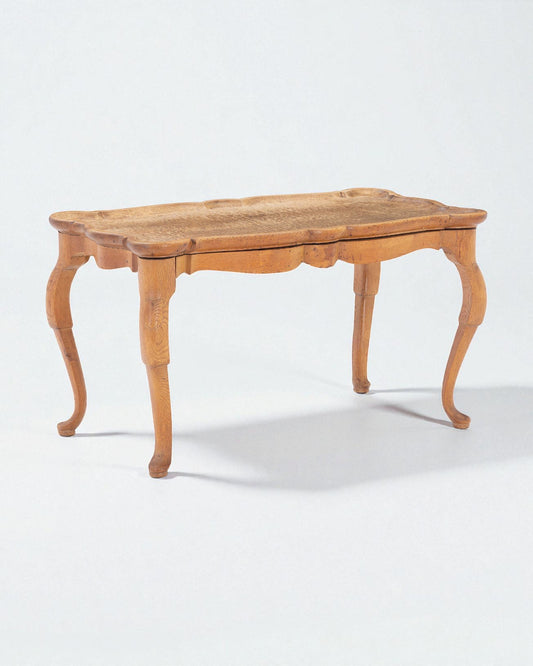
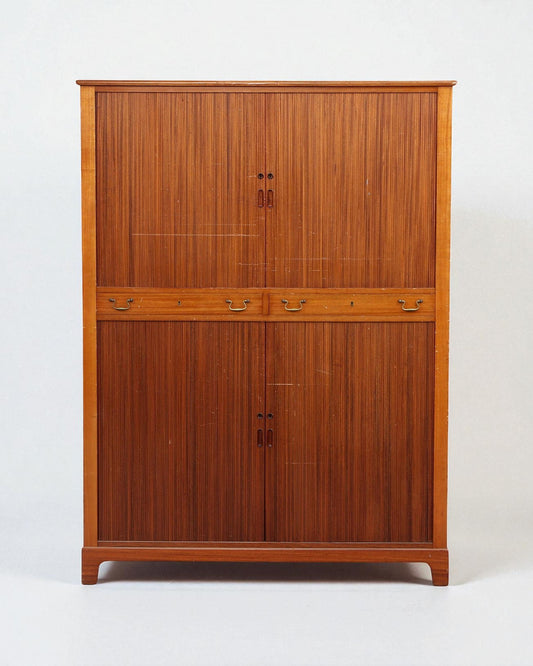
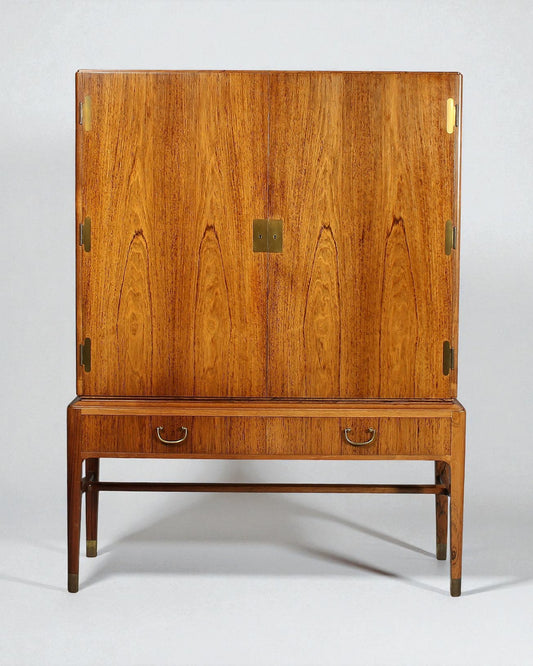
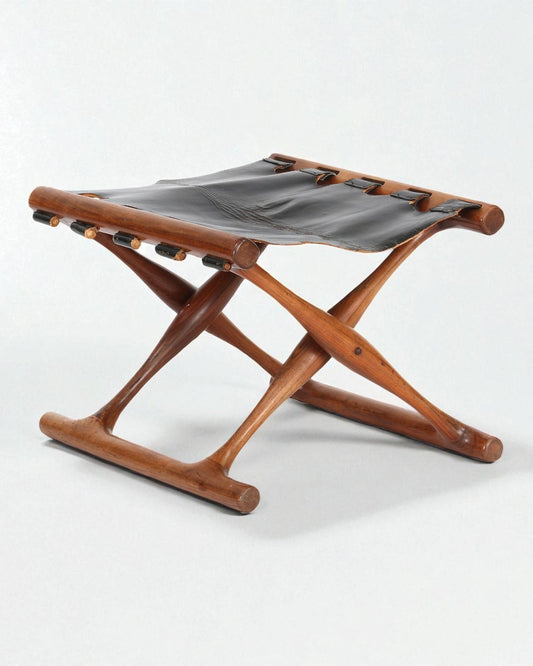
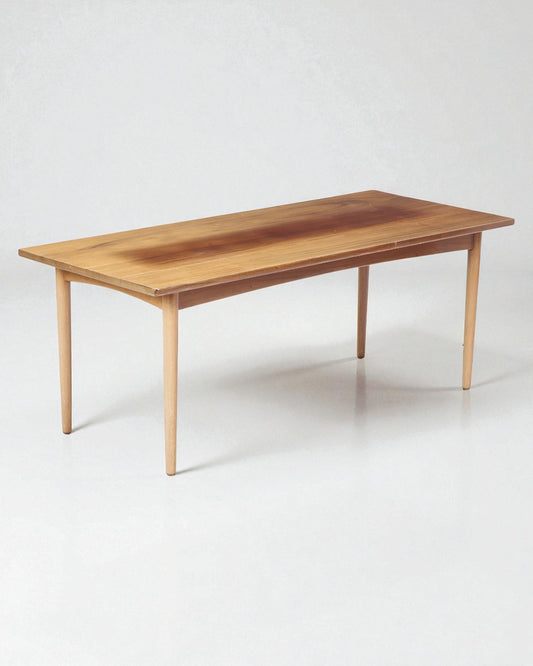
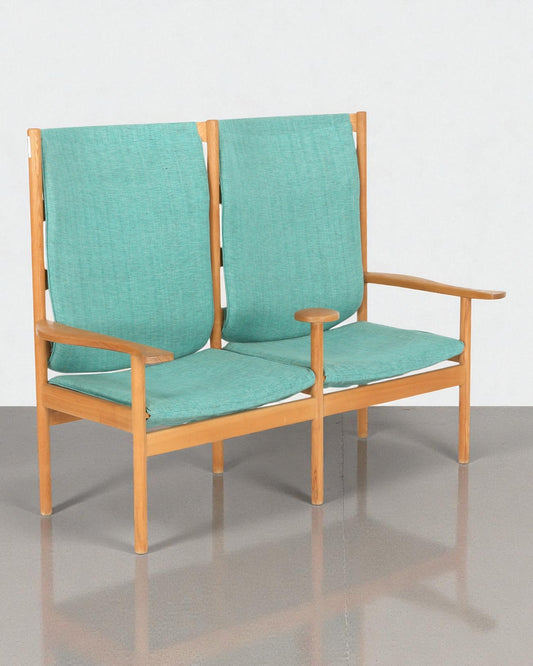
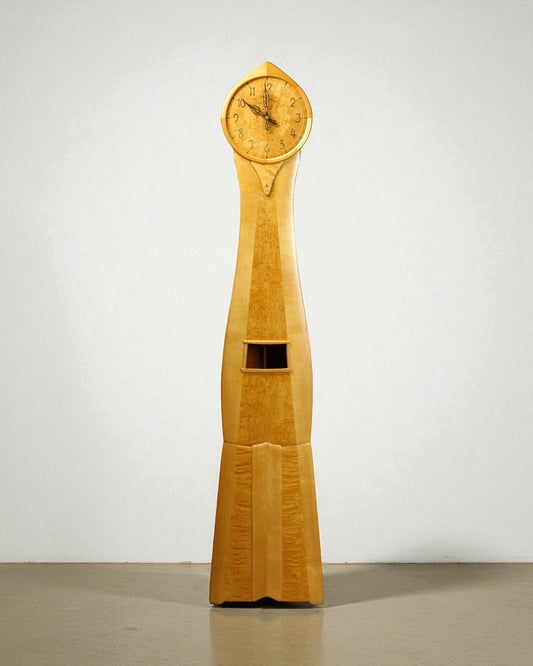
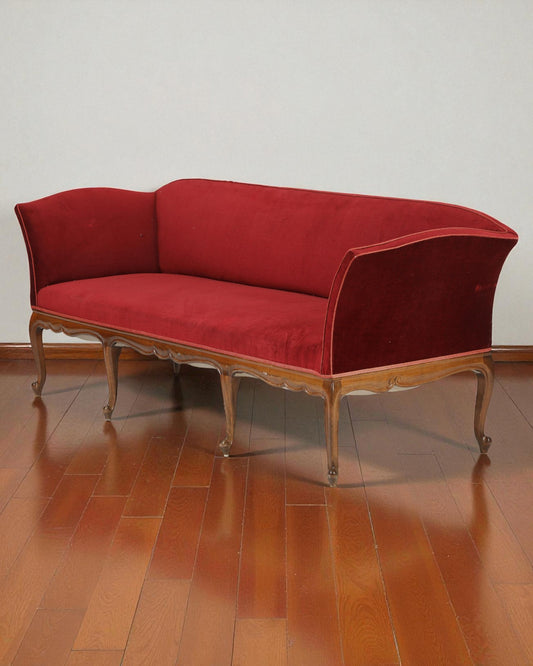
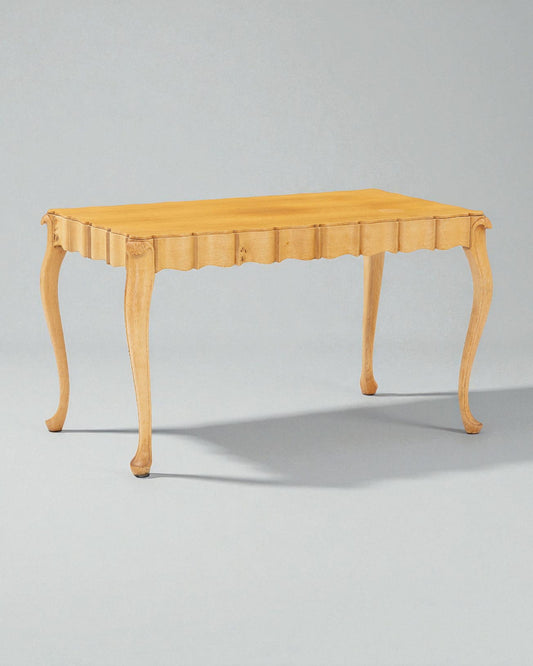
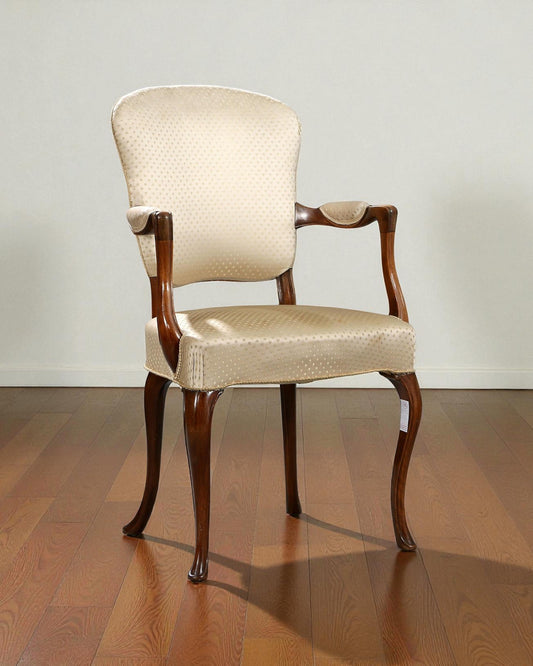
Before Danish furniture became synonymous with mid-century style, it began in the small workshops of early 20th-century cabinetmakers. Between the 1920s and early 1940s, lounge furniture was created almost entirely by hand. Individual makers crafted one piece at a time, selecting their timber, shaping components by eye, and completing each joint using traditional tools. These early artisans prioritised proportion, tactile comfort and the natural beauty of solid wood — values that set the stage for what the world later celebrated as Danish Modern.
This era was defined by minimal serial production. A chair might exist in only a handful of variations, each subtly different. Makers often completed a piece from start to finish, giving it a sense of personality and craftsmanship that remains visible decades later. Even today, early lounge furniture exhibits an intimacy: subtle tool marks, hand-stitched upholstery, and frame details that signal the presence of a highly skilled maker rather than a factory line.
By the late 1940s, as social structures shifted and the middle class grew, demand for well-designed, affordable furniture increased. This created space for designers to embrace new methods of production. Rather than abandoning craftsmanship, they rethought it — finding ways to produce components in batches while retaining fine woodworking and meticulous finishing. It was a practical evolution that expanded the reach of Danish design without diluting its essence.
The Emergence of Iconic Designers and Signature Styles
From this transition emerged many of the designers whose work Paere Dansk now curates:
· Frits Henningsen, celebrated for his fluid silhouettes and impeccable joinery
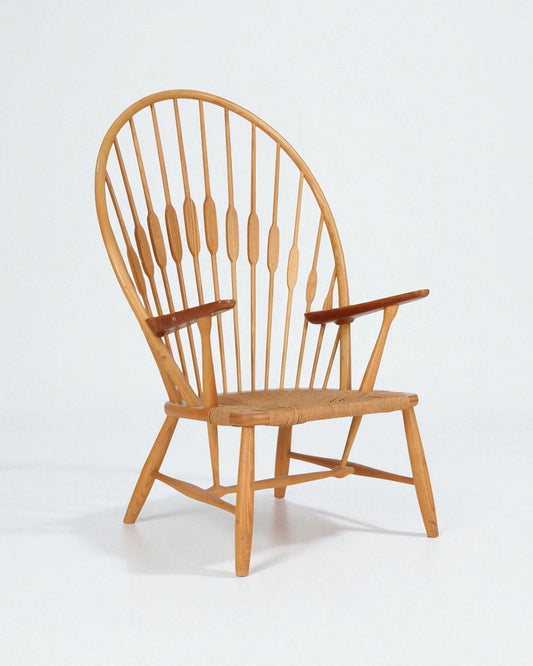
· Hans J. Wegner, whose lounge chairs balanced sculptural form with ergonomic precision
· Børge Mogensen, champion of honest materials and functional clarity
· Grete Jalk, known for her moulded-plywood forms and elegant restraint
· Kai Kristiansen, admired for refined proportions and architectural lines
· Arne Vodder, master of soft curves and natural wood expression
· Nanna Ditzel, whose organic forms brought delicacy to Scandinavian modernism
· Ole Wanscher, whose designs blended classical influences with crisp, modern frames
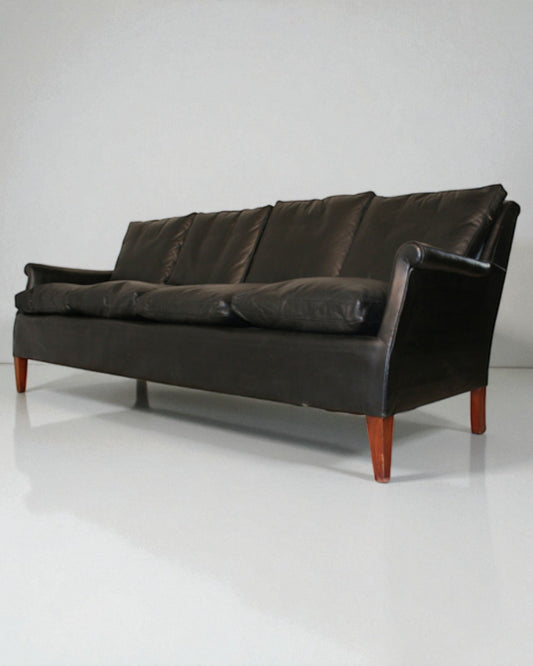
These designers — and many of their contemporaries — helped shape a new language in furniture: one where comfort and clarity were prioritised, ornament was unnecessary, and structural beauty was enough. Their lounge chairs and sofas remain some of the most celebrated pieces of 20th-century design.
Paere Dansk sources and restores original examples from these designers, ensuring the pieces retain their historical character while meeting the comfort expectations of contemporary homes.
Rare Insights & Little-Known Facts About Vintage Lounge Furniture
To enrich the depth of the collection and support SEO, here are insights not commonly known to the general buyer:
The Cabinetmakers’ Guild Exhibitions Were the Birthplace of Innovation
From 1927 to 1966, Copenhagen’s annual exhibition invited designers and cabinetmakers to collaborate on one-off pieces. Many lounge chairs — including prototypes later celebrated worldwide — first appeared at these exhibitions in extremely limited numbers. Some never entered serial production, making surviving examples exceptionally rare.
Early Lounge Chairs Were Sculpted Like Architecture
Many pieces from the 1930s–40s were constructed using architectural principles. Makers designed frames to “float,” distributing weight to create lightness while maintaining durability. This engineering approach later influenced designers like Wegner, whose chairs appear effortless yet are structurally robust.
Rosewood Was Once Reserved for Luxury Interiors
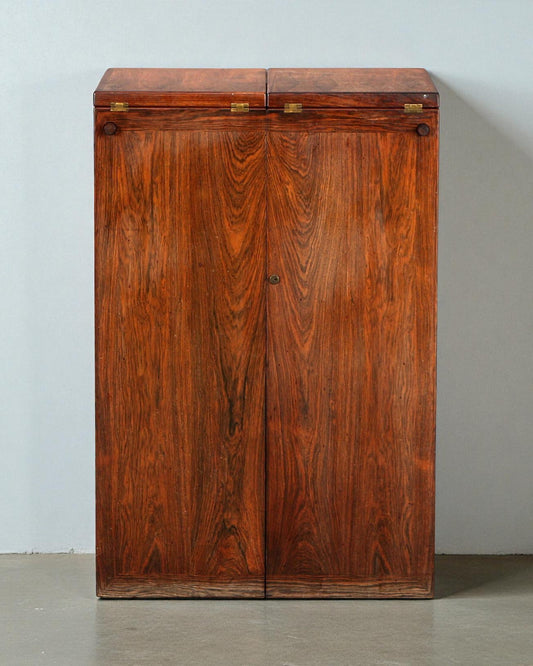
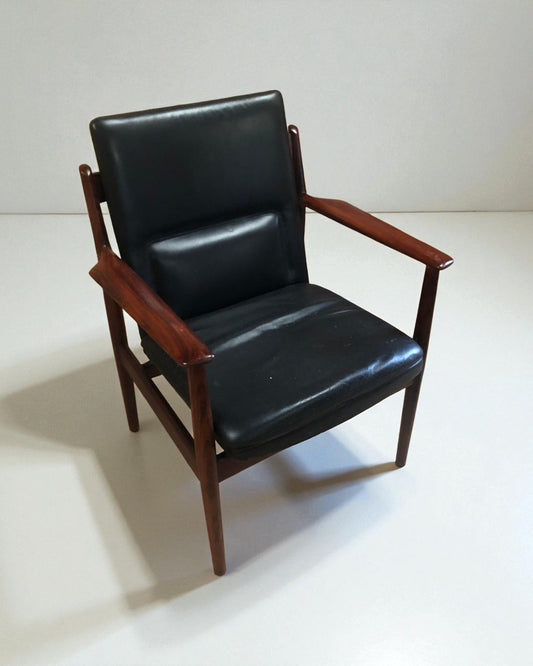
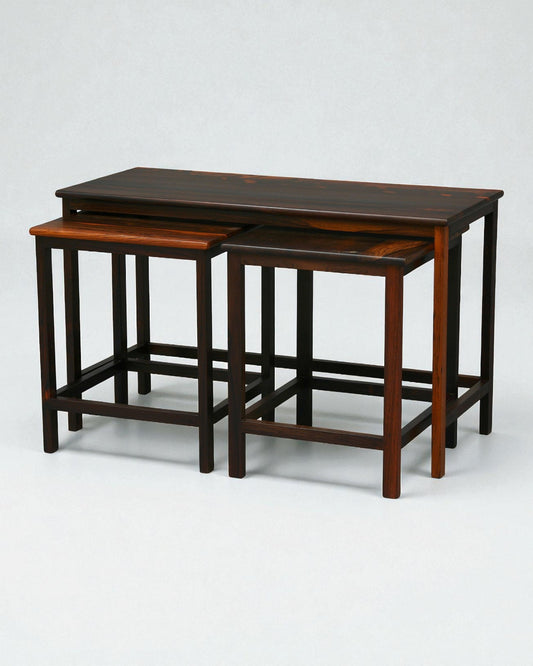
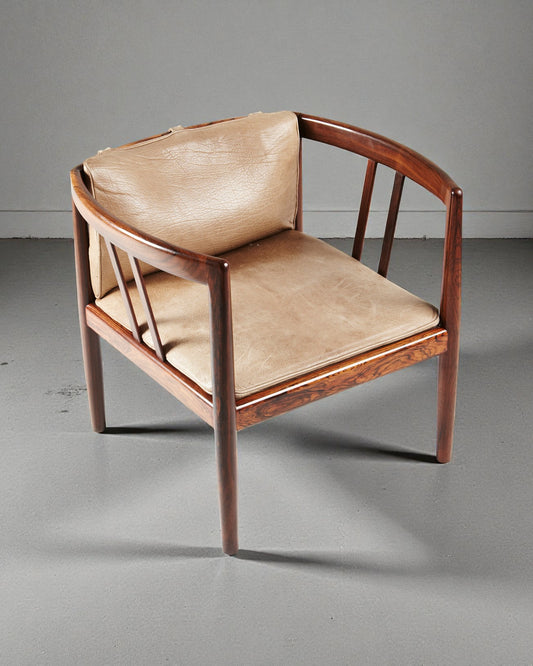
Paere Dansk specialises in rosewood furniture — a material prized for its dramatic grain, depth of colour and natural oils. In the mid-century period, rosewood was considered a luxury timber, often reserved for statement lounge chairs and executive furniture. Its scarcity today contributes to the increasing value of original pieces.
Horsehair Was the Gold Standard of Upholstery
Before synthetic foam, horsehair was used as padding for lounge furniture — prized for its resilience and breathability. In well-preserved pieces, this original material may still be intact, offering a unique tactile comfort. Paere Dansk can retain or replace this padding depending on the customer’s preference.
Batch Production Never Meant Mass Production
Even as workshops scaled up in the 1950s and 60s, the process remained far from industrial. Frames were still hand-finished; upholstery was completed piece by piece; and final assembly required trained cabinetmakers. This hybrid model is why vintage lounge furniture from this era often outperforms modern mass-produced seating in longevity.
Design Values That Define Scandinavian Lounge Furniture
1. Comfort Through Proportion
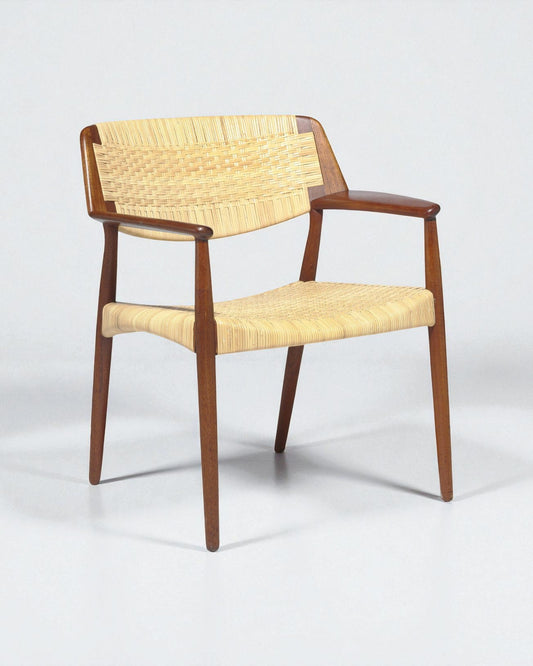
Danish designers approached seating as a study of human posture. Lounge chairs were angled to support the natural curve of the back, armrests followed intuitive gestures, and seat depths were calculated for relaxation rather than formality.
2. Honest Expression of Wood
Mid-century Danish furniture rarely hides the structure underneath. Tenon joints, sculpted arms, and exposed dowels celebrate the material rather than conceal it.
3. Craftsmanship Accessible to Everyday Homes
While early pieces were exclusive, the post-war design movement democratised good craftsmanship. This ethos — beautiful, functional furniture at fair value — remains central to Scandinavian design culture.
4. Harmony With Modern Interiors
The quiet, understated forms of these lounge pieces make them surprisingly adaptable. They complement minimalist spaces, soften contemporary interiors and add refinement to traditional homes.
Paere Dansk: Curators, Restorers & Specialists in Scandinavian Heritage
What sets Paere Dansk apart is not only the sourcing of exceptional vintage lounge furniture but also the expertise in bringing each piece to its full potential.
Beautifully Preserved Pieces — Ready to Enjoy
Some items in the collection arrive in outstanding condition. These pieces require only light cleaning and structural checks and are immediately ready to place in the home. Collectors value such examples because they retain their original finishes, upholstery techniques and patina — markers of authenticity that cannot be recreated.
Restoration Tailored to the Customer
For pieces requiring revitalisation, Paere Dansk offers a full restoration service, including:
· Upholstery in premium fabric, leather, bouclé
· Customer-selected bespoke textiles to suit any interior
· Wood refinishing that respects original colouring and craftsmanship
· Structural repairs completed using traditional joinery methods
Customers may choose historically faithful materials or reimagine a piece with modern comfort and texture. Either way, restoration is carried out with deep respect for the designer’s intentions.
Why Restored Vintage Furniture Outperforms New Alternatives
Sustainability
Restoring a vintage lounge chair uses dramatically fewer resources than manufacturing a new one. It preserves existing materials, reduces waste and supports a circular approach to interiors.
Longevity
The solid frames and precise joinery of mid-century furniture ensure long life spans. Once restored, these pieces often outperform newly manufactured furniture in durability.
Investment Value
Design works by Wegner, Mogensen, Henningsen and their peers have proven long-term appreciation potential. Restored pieces hold value particularly well when the original structure and materials are respected.
Character That Cannot Be Replicated
Patina, grain variation and subtle handmade details give vintage lounge furniture a depth that new furniture rarely achieves. Even restored pieces retain the soul of the original maker.
The Relevance of Vintage Lounge Furniture Today
As contemporary homes lean towards calm, thoughtful interiors, Danish lounge furniture offers:
· Visual simplicity for uncluttered spaces
· Warm materials that balance modern finishes
· A sense of history that anchors a room
· Functional comfort suited to everyday living
Whether you are furnishing a modern apartment or a classic townhouse, these pieces introduce texture, tactility and timeless design integrity.
A Final Word: The Legacy Lives On
Paere Dansk’s Vintage Lounge Furniture collection bridges past and present. Each piece embodies decades of Danish design evolution — from the one-of-a-kind craftsmanship of early cabinetmakers to the elegant practicality of mid-century workshops. With options ranging from beautifully preserved originals to fully personalised restorations, these pieces are not only furniture but lasting works of cultural heritage.